How to Clean & Maintain a PPF Coated Car | PPF Care Tips
PPF-Coated Car Care: Cleaning and Maintenance Tips
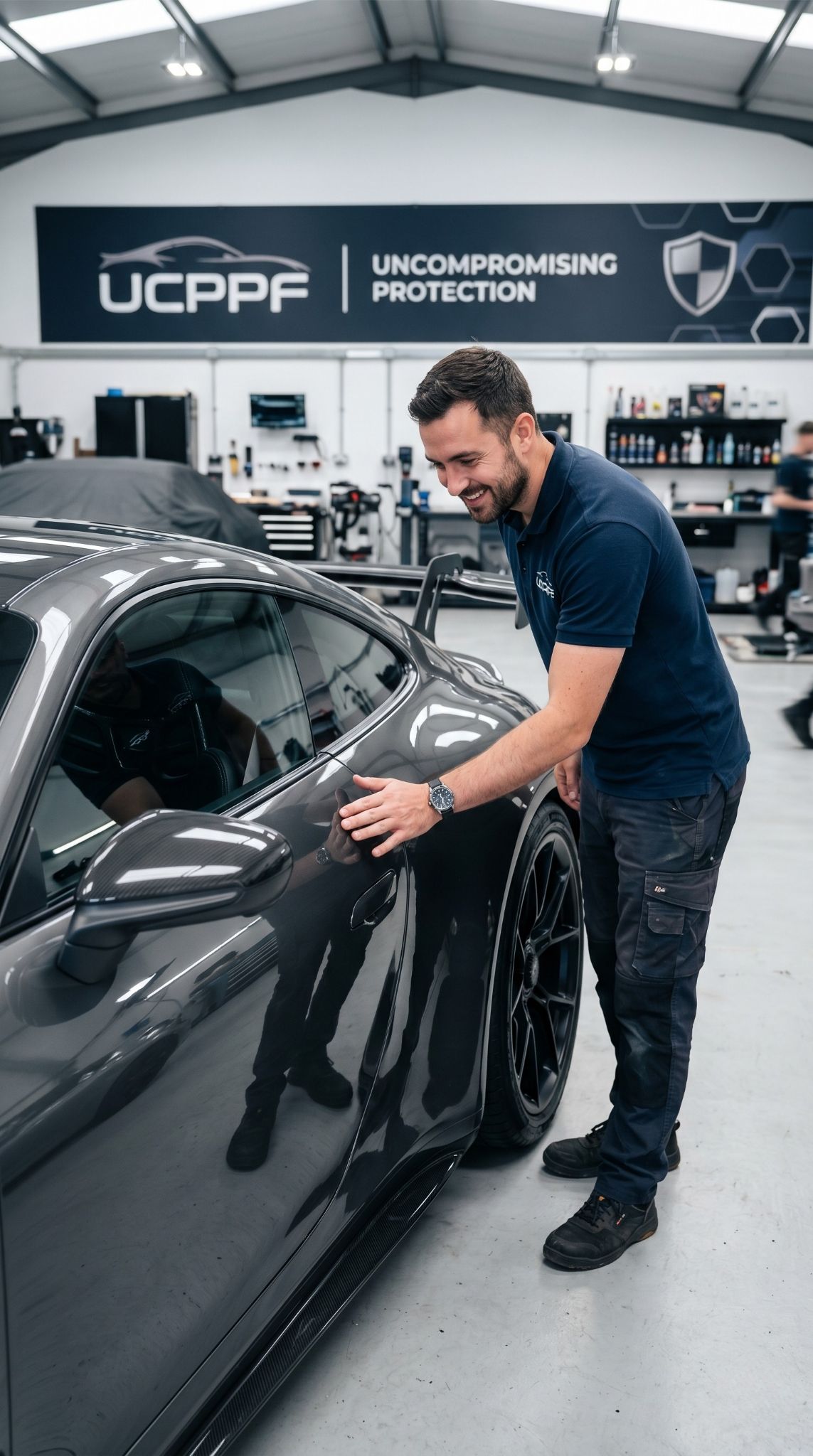
A PPF coated car is more than just a mode of transportation, and having a car is not only about traveling from point A to point B — it can be pride, passion, and presentation. If you’ve chosen to protect your car’s paint with Paint Protection Film (PPF), then you’re already on your way to conserving your car’s beauty. However, no coverage is foolproof. PPF still needs to be maintained, and a car with PPF installed will need to be maintained in order to look its best and remain effective throughout the years. Whether your car is new or has been on the road for a couple of years, knowing how to clean and maintain your PPF is the best way to preserve that showroom finish for many years to come.
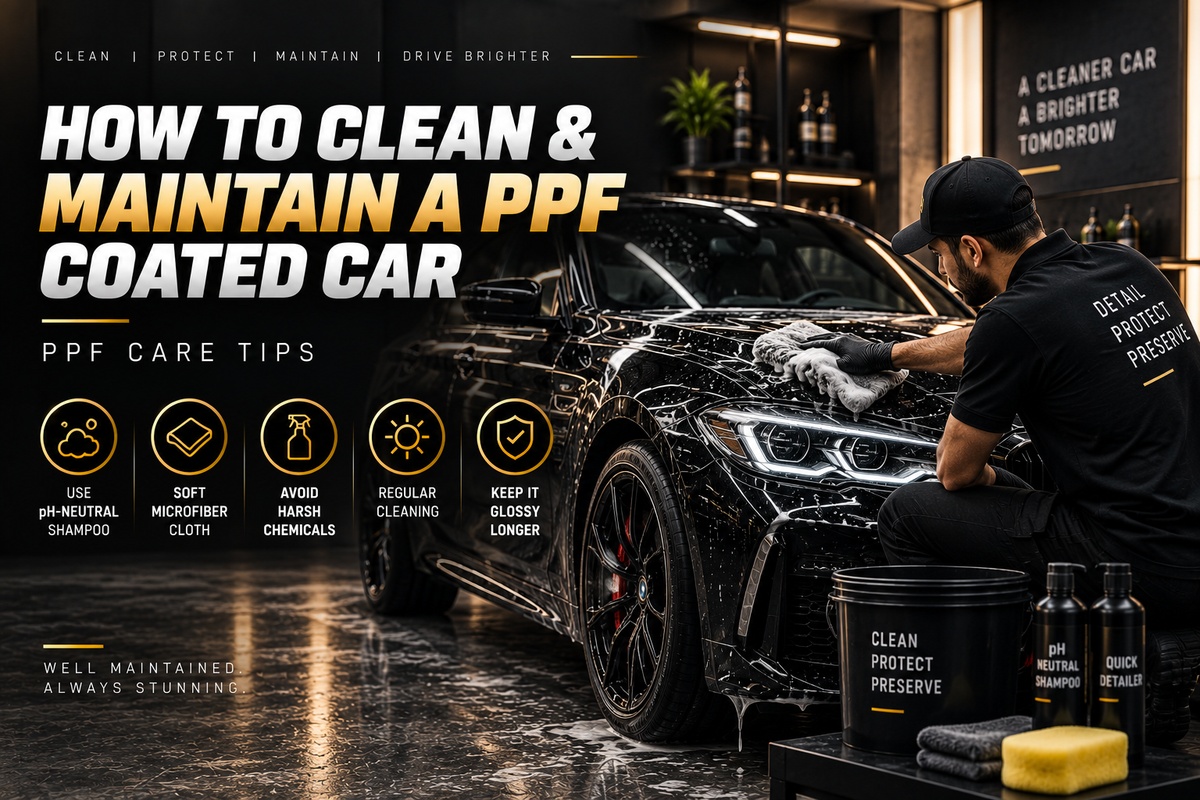
How to Clean and Maintain a PPF Coated Car
PPF is a formidable barrier against scratches, light abrasions, UV rays, and environmental contaminants. It is however not maintenance-free and without maintenance, it can have issues with water spotting, yellowing, and loss of clarity. Just like you regularly clean your car to keep it looking good you should regularly clean your PPF to make sure it is functioning and has its full lifespan of 5 – 10 years.
1. Wait Before Your First Wash
After getting PPF installed, avoid washing your auto for at least 48 to 72 hours. This allows the film glue to completely cure and bond to the face. Washing too beforehand can weaken the edges or trap humidity, causing bubbles or lifting.
2. Use a pH-Neutral Car Shampoo
When you start washing your auto, always use a pH- balanced auto soap that’s gentle and safe for PPF. Avoid dish cleaner, cleansers, or strong cleansers that can damage the film.
• Use the two- pail system one for clean water, one for irrigating.
• Wash with a soft microfiber mitt.
• wash completely to remove all cleaner residue.
3. Stay Gentle with Pressure Washers
High-pressure washers are fine for irrigating, but use them with care. Always keep the snoot at least 2 bases down from the auto and noway spot directly at the film edges. Too much pressure can cause the edges to peel.
4. Dry Properly with a Microfiber Towel
After washing, dry your car using a clean, soft microfiber towel. Don’t let it air dry in the sun — this can cause water spots. Avoid using abrasive towels or sponges that can scratch the film.
5. Remove Stains Quickly
Bird droppings, bug splatter, and tree sap are acidic and can damage the film if left too long. Clean these spots as soon as possible with a PPF-safe cleaner or just warm water and a microfiber cloth.
6. Avoid Harsh Waxes and Polishes
Some waxes have petroleum-based ingredients or abrasive compounds that could harm your PPF. If you’re looking for that extra shine, opt for PPF-safe waxes or ceramic sprays that are specially designed for protected surfaces.
7. Inspect the Film Regularly
Check the PPF after a few months for any peeling, bulging or staining. If you notice any damage, take the vehicle to an installer or detailer for inspection. Hands-on action can save you from major problems later.
Final Thoughts
Looking after a PPF coated car should generally be straightforward. Having said that, some detail orientation should find itself into the procedure. Washing it frequently with very mild products will preserve the clarity of your protective film; keep that away from harsh chemicals, and stain removal must be done immediately. Properly maintained PPF will make your vehicle look glossy, clean, and highly protected for many years.
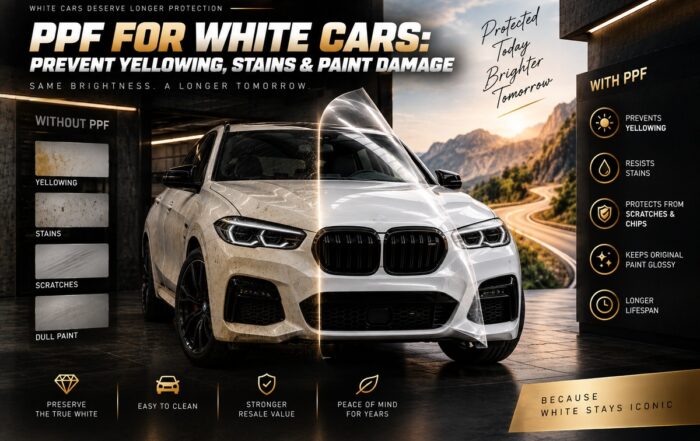
PPF for White Cars: Prevent Yellowing, Stains & Paint Damage
A white car looks clean, elegant and premium when the [...]
The Ultimate Guide to Washing and Maintaining a Car with PPF
If you’ve spent good money on PPF you already know [...]

Car PPF Cost in India 2026: Complete Price Guide by Car Type
If you are planning to protect your car's original paint [...]
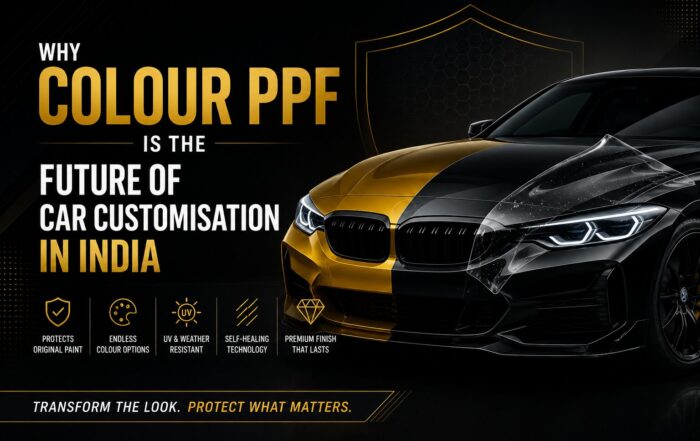
Colour PPF: The Smartest Way to Change Your Car Look without Repainting
Car customization in India has changed a lot. A years [...]
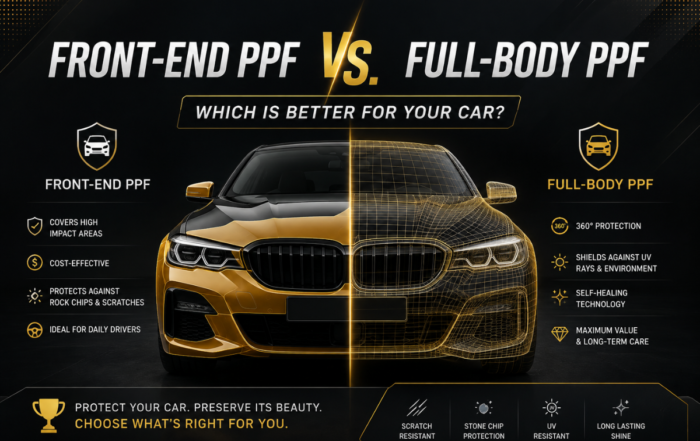
Frontend PPF vs Full Body PPF : Which Is Better for Your Car?
Buying a new car is exciting, but keeping the paintwork [...]
PPF for Black Cars: Complete Guide to Protecting Black Car Paint
A black car looks stylish when it is clean and [...]
Want to grow your car detailing business? Join UC PPF as a franchise partner and become a part of the fast-growing car care industry. We are offering Paint Protection Film Franchise opportunities to detailing studios and entrepreneurs. Get premium products, training, branding support & a lifetime warranty system. Connect with us today and explore why detailers across India trust UC PPF for #paintprotectionfilm and #carppf solutions.