The Ultimate Guide to Washing and Maintaining a Car with PPF
If you’ve spent good money on PPF you already know it helps keep your car’s paint looking new. But PPF is not something you can install and just forget about it.
Indian roads can be tough on cars. Dust, road debris, tree sap, strong sunlight, and long highway drives can all affect to your car and its PPF.
Good quality films such as high quality Aliphatic TPU PPF are designed to handle these conditions. With proper installation and care. PPF can last for many years. However regular maintenance is important. Without proper care the film may start to look dull, yellow, or have its edges lift.
In this guide, we’ll cover the simple ways to clean and maintain a car with PPF. We’ll also look at which products are safe to use and a few easy habits that can help your PPF last longer.
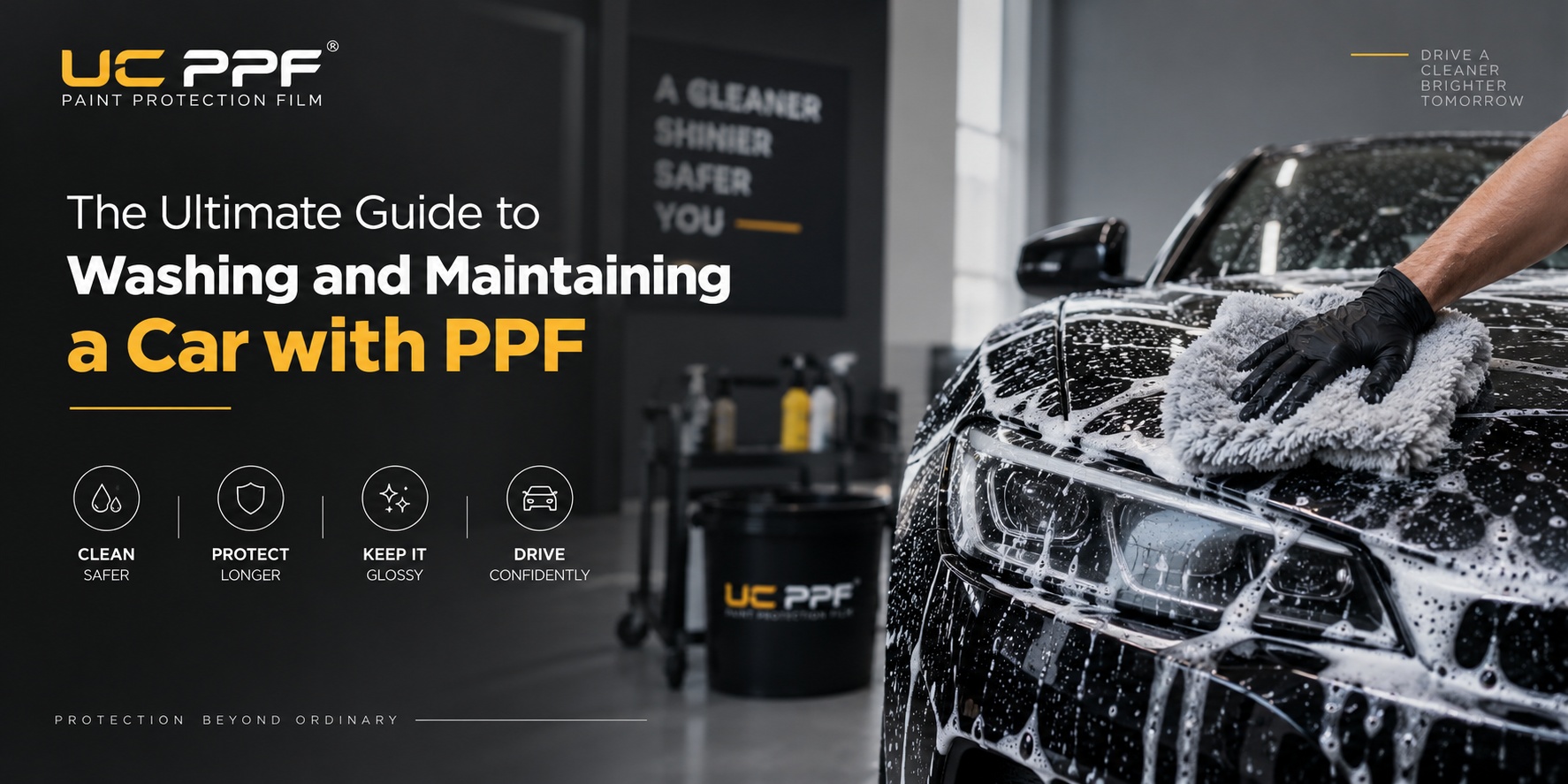
Why PPF Maintenance Matters in India
Many car owners think that once PPF is installed. they can wash the car any way. But that’s not true. Using harsh soaps or rough cleaning methods can damage the film over time.
Good-quality Aliphatic TPU PPF acts as a protective layer over your car’s original paint. It helps protect against stone chips, minor scratches, dirt, and other road damage. Some PPF films can also self heal small scratches.
But the film still needs proper care. Dirt, hard water, bird droppings, tree sap, and dust can stay on the surface and slowly affect its top coating. This can make the PPF lose its shine, water beading effect, and clear appearance.
Film quality also matters. Cheaper Aromatic PPF can be more likely to turn yellow over time. Good quality Aliphatic PPF is designed to stay clear and last longer when properly maintained.
So, if you want your PPF to keep looking clear and glossy, regular washing and proper care are important.
The Indian Climate Challenge
Indian weather is brutal on cars. There’s no gentle middle ground here you’re either dealing with Rajasthan level heat that can push past 40°C, or you’re in the middle of Kerala’s monsoon season with rain coming down for days at a stretch.
Every day your car stand outside and collecting a fresh layer of dust. Then monsoon season hits and now you’ve got mud caked onto the lower panels along with rain that’s often more acidic than you’d think. The real problem isn’t the dirt itself it’s what happens when that dirt just sits there and baking under the sun. Give it enough heat and time that leave marks that washing cannot remove.
This is why regular washing is important. It is not just about keeping your car looking clean. Regular cleaning helps protect the PPF from dirt, dust, and other things that can damage it over time.
How to Wash a Car with PPF: A Step-by-Step Guide
Follow these essential steps to keep your film looking pristine year after year. If you’re still deciding which film is right for your vehicle, here’s our guide on how to choose the right PPF for your car.
1. Wait Before Your First Wash
Once you pick up your car from the studio if it looks a little dusty from the drive home. Give it at least 48 to 72 hours before the first wash after PPF installation.
The adhesive holding the film onto your paint needs time to properly bond and set. It’s still settling in. Wash it too early, and water can sneak into the edges and that’s how you end up with lifting, peeling, or those annoying little bubbles trapped under the film.
Just a couple of days of patience now saves you a lot of headaches later.
2. Prep with the Two Bucket Method
Always uses two bucket when washing, not one. One bucket holds your soapy water and other is just plain clean water for rinsing your wash mitt.
Dirty mitts can transfer dirt back onto the film, causing swirl marks and fine scratches over time.
3. What Soap to Use on PPF?
Never use dish soap, strong degreasers, or harsh cleaning products on PPF. These products can be too aggressive and may damage the protective coating over time.
Instead use a gentle pH neutral car shampoo made for automotive detailing. It will safely clean the surface without unnecessarily affecting the PPF’s protective properties.
4. Can You Pressure Wash PPF?
Short answer: yes, but with some common sense involved.
- Keep your distance. Hold the nozzle at least 2 feet away from the car’s surface.
- Stay away from the edges. Never spray high-pressure water directly at the film’s edges or seams. The pressure can get underneath and cause the PPF to lift.
- Use a wider spray pattern. A 40 degree or wider nozzle is safe. A narrow pinpoint zero-degree tip is basically a cutting tool at that pressure that can slice into the film.
5. Drying and Removing Water Spots from PPF
One thing Indian car owners deal with constantly that is hard water. Leave water droplets to dry on their own under the sun, and you’ll see with those stubborn white mineral spots baked right into the film.
Grab a soft clean microfiber towel right after washing and dry it off yourself. And go easy pat the surface dry instead of wiping hard or dragging the towel across the film.
If you notice a water mark don’t worry its usually easy to remove if you catch it early. Use a PPF safe cleaner or warm water with a microfiber cloth. Avoid scrubbing hard gently clean the spot and let the product do the work.
PPF Aftercare Products: What to Use and What to Avoid
Ceramic boost sprays After washing a quick spray of a good silica based (SiO2) detailer or ceramic spray helps refresh the film’s hydrophobic layer
Decent microfiber and only microfiberUse only soft microfiber towels and mitts. Avoid old or rough rags because they can scratch your PPF.
Something for bugs and tar Keep a PPF safe cleaner in your garage at all times. Bird droppings, squashed bugs, tree sap these aren’t just annoying, they’re genuinely acidic and can start damaging the film if left sitting for too long. The moment you notice them, wipe them off. Don’t wait for your next wash day.
Products to Ban from Your Garage
Traditional waxes That wax you’ve used on every car for years? Skip it here. Most contain petroleum distillates and mild abrasives that don’t well to use on PPF. Worse they can seep into the film’s edges over time and slowly turn them yellow.
Rubbing compounds and abrasive polishes No clay bars no harsh polishing compounds nothing abrasive at all. PPF has a self-healing top coat that’s genuinely impressive small scratches disappear on their own with a bit of heat. But that layer is delicate and aggressive polishing will damage it permanently.
Automatic car washes with spinning brushes. Avoid automatic car washes with stiff brushes because they can scratch your PPF and catch the edges of the film causing it to lift or peel. If you need to use an automatic wash always choose a touchless or no contact wash instead.
Healing the Scratches: Understanding UCPPF’s Self-Healing Tech
Here’s one of the coolest benefits of a premium film like UCPPF. It uses Korean-engineered TPU and has a special feature most people don’t know about.
The Aliphatic PPF self-healing top coat. So if you see light swirl marks or tiny scratches after a dusty drive, don’t worry you probably haven’t caused any permanent damage.
Just park the car in direct sunlight for a while on a warm day or pour some warm water over the scratched area. The heat activates the film and helps it return to its original shape those tiny scratches slowly disappear on their own. It honestly looks like magic the first time you see it happen.
How Much Does PPF Cost in India? (And Is It Worth It?)
When you add it all up the easy washing, the deep gloss the serious scratch protection PPF starts to look less like an expense and more like a smart long term investment.
In India premium PPF pricing generally falls somewhere between ₹55,000 and ₹1,50,000 depending on your car’s size (a hatchback obviously costs less to wrap than a luxury SUV) and the quality of film you go with.
Want a more detailed breakdown? Read our guide to PPF cost in India in 2026.
Now you can definitely find cheaper options out there aromatic PVC or TPH films that cost much less upfront. But here’s the catch they can turn yellow and crack within just a couple of years which means you’ve wasted the money you spent the first time.
Genuine UCPPF, on the other hand gives you years of clear anti yellowing protection that actually holds up. And when you factor in what you’re saving on repeated detailing, potential repainting, and better resale value down the line it ends up paying for itself more than you’d expect.
If you’re looking for a PPF designed for long term protection, explore our range of paint protection films.
Frequently Asked Question
Can Car Paint Protection Be Removed Safely? PPF Removal Guide
Car owners often install Paint Protection Film (PPF) to keep their [...]
PPF for White Cars: Prevent Yellowing, Stains & Paint Damage
A white car looks clean, elegant and premium when the [...]
The Ultimate Guide to Washing and Maintaining a Car with PPF
If you’ve spent good money on PPF you already know [...]

Car PPF Cost in India 2026: Complete Price Guide by Car Type
If you are planning to protect your car's original paint [...]
Colour PPF: The Smartest Way to Change Your Car Look without Repainting
Car customization in India has changed a lot. A years [...]
Frontend PPF vs Full Body PPF : Which Is Better for Your Car?
Buying a new car is exciting, but keeping the paintwork [...]
Want to grow your car detailing business? Join UC PPF as a franchise partner and become a part of the fast-growing car care industry. We are offering Paint Protection Film Franchise opportunities to detailing studios and entrepreneurs. Get premium products, training, branding support & a lifetime warranty system. Connect with us today and explore why detailers across India trust UC PPF for #paintprotectionfilm and #carppf solutions.